
Alternative therapies in the treatment of herniated disc
In case of back pain, it is advisable to use alternative therapies alongside traditional medicine.
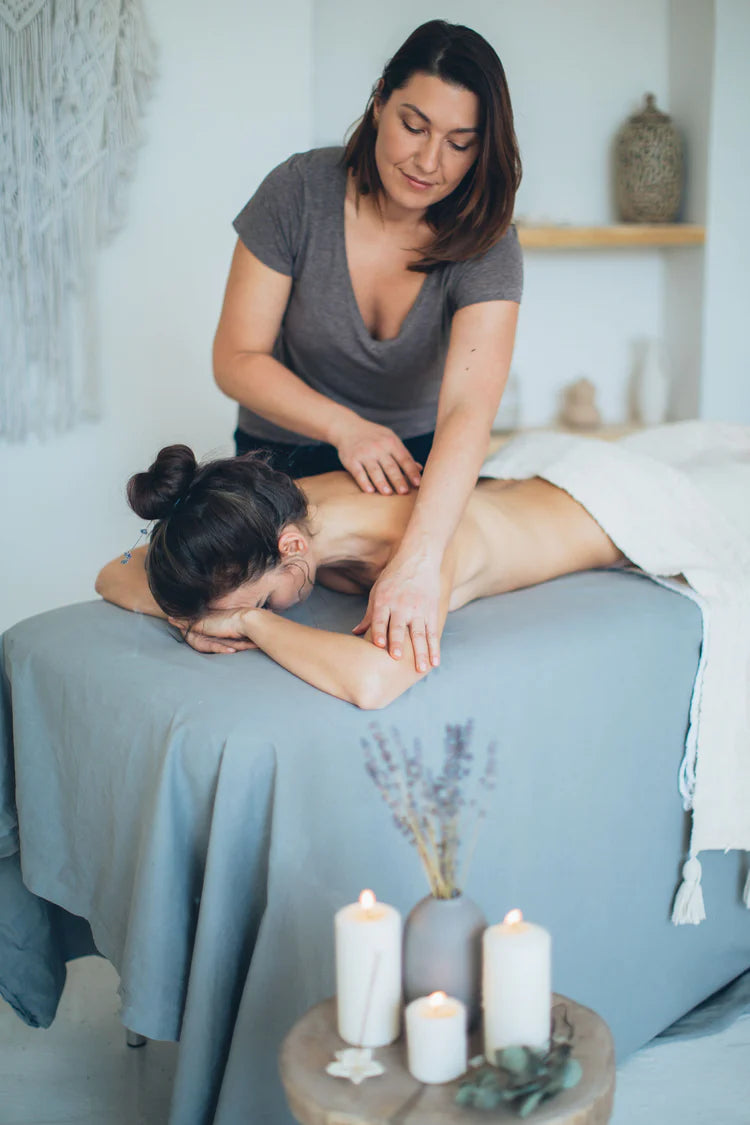
Massage
Massage helps with relaxation, relieving tension, and also plays a major role in eliminating pain and functional disorders. It is no coincidence that patients with herniated discs eagerly use this useful and at the same time pleasant therapy.
If pain occurs in our body, it causes muscle tension in that area. As a result, circulation decreases in that area, less oxygen reaches it, which leads to restricted movement and further pain. Toxins also accumulate. Massage can intervene in this cycle at any point.
Nowadays, we can choose from many types of massage. There are oil-cream massages, but we can also be massaged while clothed, on a bed, chair, or floor. Various tools can also be used, and the active ingredients of the oils and creams used during the massage can also help with relaxation and healing.
There are cases when massage is not recommended, such as fever, infectious diseases, acute inflammation, certain allergies, cancerous conditions, deep vein thrombosis. In every case, discuss with the masseur if you have any illness, and also seek advice from your treating physician.
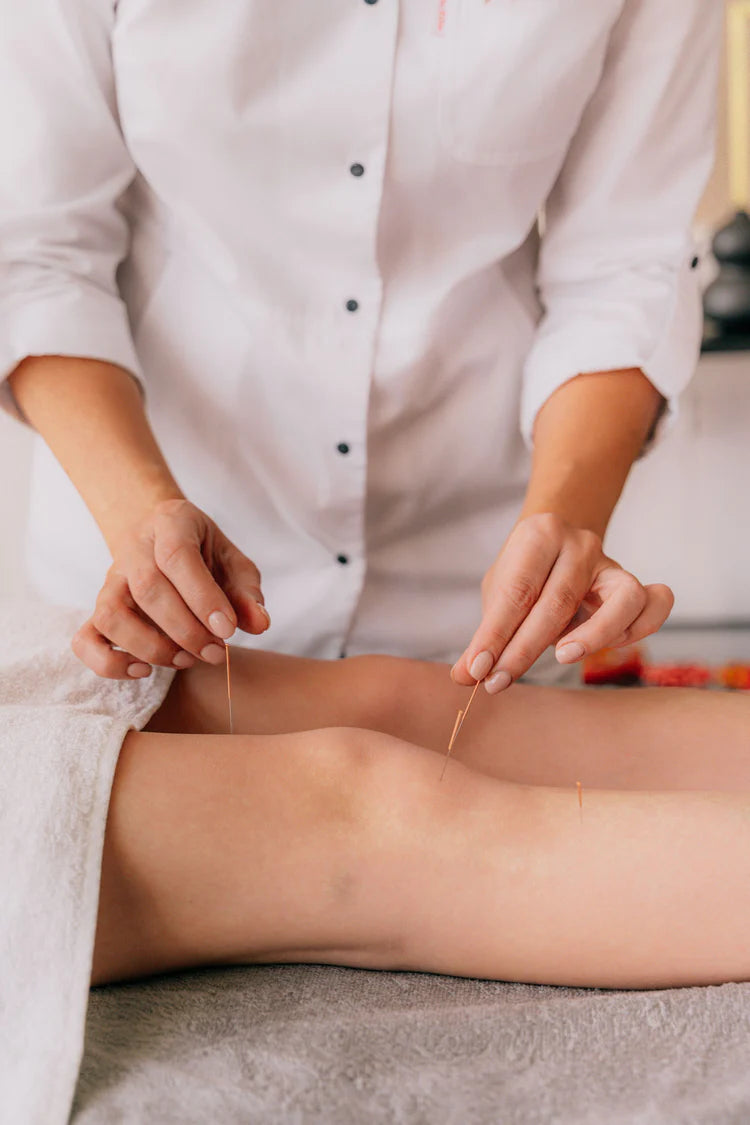
Acupuncture
An ancient Chinese therapeutic method in which needles are inserted into various points of the body at different depths. It influences energetic processes and helps the flow of life energy. It is also an effective method for relieving muscle cramps, inflammations, and circulatory disorders.
Acupressure
Also called pressure point massage. Its goal is to eliminate disturbances in the body's energy pathways and replenish energy. The proper energy flow is achieved by applying pressure to different points on the body. It is also a self-treatment method that is easy to learn. It is suitable for pain relief and tension release,
working with calming, stimulating, and harmonizing points, as well as identifying special and emergency points.
Manual therapy
After palpating the joints, the therapist mostly uses manual techniques. They relieve joint movement restrictions and relax muscle tension. The joints regain their stability and function, movement becomes freer, and pain may disappear.
Alexander technology
A holistic method that works on both body and mind. Poor posture and ingrained movements cause tension and pain in the body. During the method, through the joint work of teacher and student, they recognize and correct incorrect postures, freeing the body. The student learns
to use their body consciously. It is a long-term, lifelong method that requires perseverance and patience.
McKenzie method
Physiotherapists use this examination and treatment system, in which the patient actively participates. After a thorough musculoskeletal examination, the patient performs special movements and assumes special body positions while their effect and pain reduction are monitored. Using the results of this, a personalized exercise sequence and treatment program are created, which the patient can learn with the help of professionals in a hospital or clinical environment for the purpose of treating a herniated disc.