
Clinical Treatments for Herniated Disc
If we consult a doctor for our spinal problem and the doctor has made a diagnosis, they will offer some treatment options to solve it. This usually starts with physiotherapy. We may also receive medication treatment, or in the last resort, surgical intervention may be necessary. The most important thing is to relieve pain, eliminate inflammation, and eliminate the cause of the pain. Below, we can briefly read about the most common
clinical treatments.
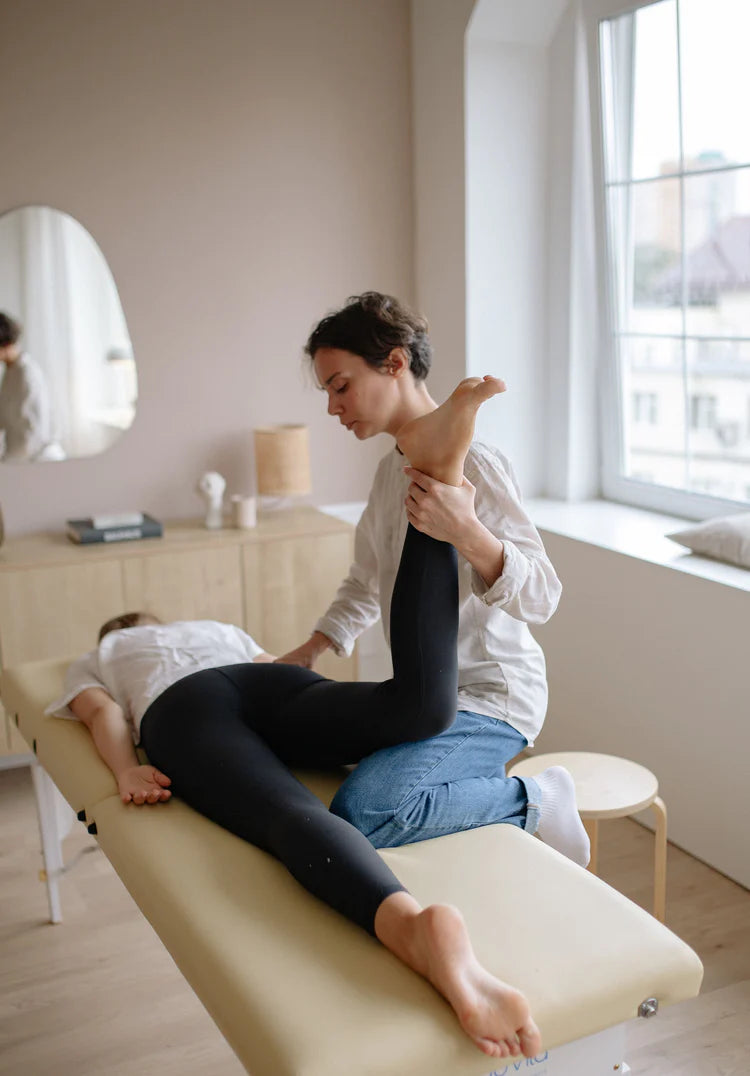
Physiotherapy
What is it suitable for?
Personalized movement therapy, during which the physiotherapist helps reduce pain and prevent the narrowing of movement limits with strengthening, stretching, and balance-improving exercises.
The exercise can be done passively or actively. In passive movement, the therapist moves the body parts, while in active exercise, the patient performs the exercises using their own muscle strength.
Personalized, gradual loading, which can eliminate pain and prevent the development of new problems. Physiotherapy is also used in rehabilitation after herniated disc surgery.
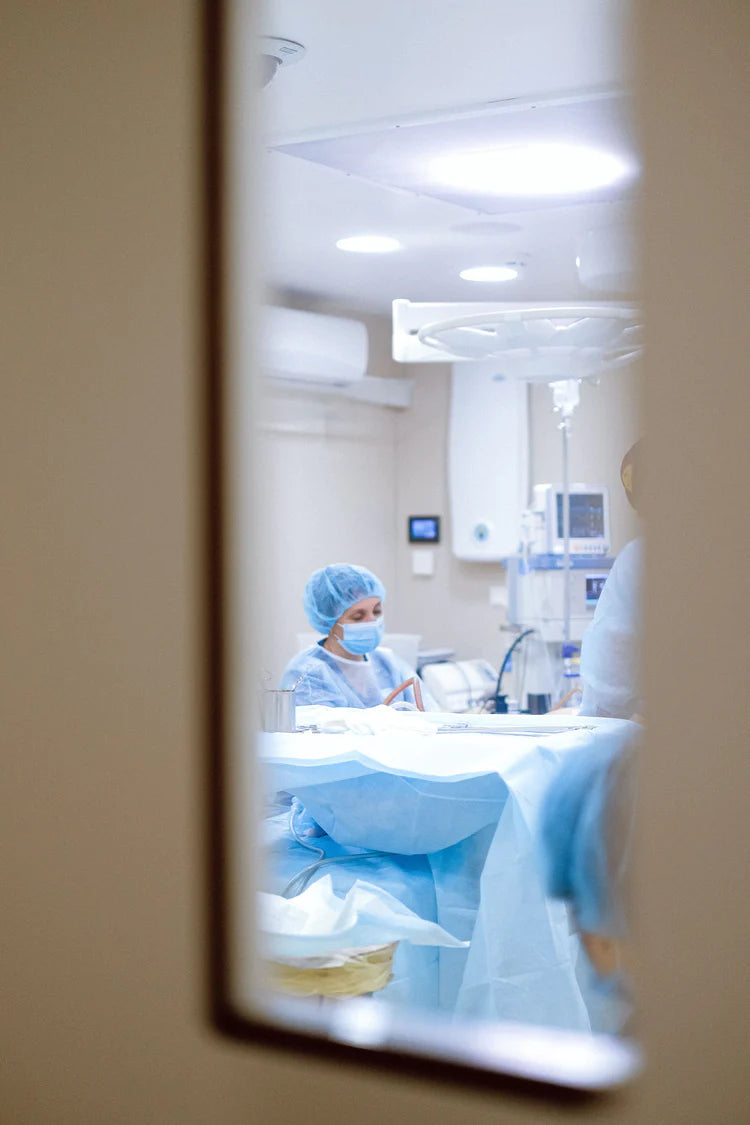
Surgical procedures
Surgical procedures are mostly for herniated disc surgeries, but only a small portion of those suffering from back pain actually need surgical intervention.
Surgery may be necessary in cases of severe paralysis, bowel or bladder dysfunction, if prolonged non-surgical treatment is ineffective, or if the pain is unmanageable.
In almost all cases, the patient first receives conservative, non-surgical treatment. Based on the results, the doctor and patient decide, weighing the expected outcomes and risks of surgery.
Decompression surgery:
The goal is to relieve pressure on the nerve roots by removing the disc or bony deposits.
Endoscopic surgery:
Mostly endoscopic surgeries are used, which involve small incisions and minimal damage, thus leading to faster recovery. In these cases, doctors work with the help of a camera.
Microdiscectomy surgery:
Similarly, faster recovery may follow microdiscectomy surgery, during which an operating microscope is used.
Traditional surgery:
During traditional surgeries, the operation is followed with the naked eye, which may require a larger incision and thus result in slower healing.
Treatments
Physiotherapy treatments
The two most commonly used methods are ultrasound treatment and iontophoresis.
- Ultrasound treatment:
It relaxes the muscles, reduces inflammation and pain with sound waves inaudible to the human ear.
- Iontophoresis:
The medication is delivered deep into the tissues with the help of galvanic current.
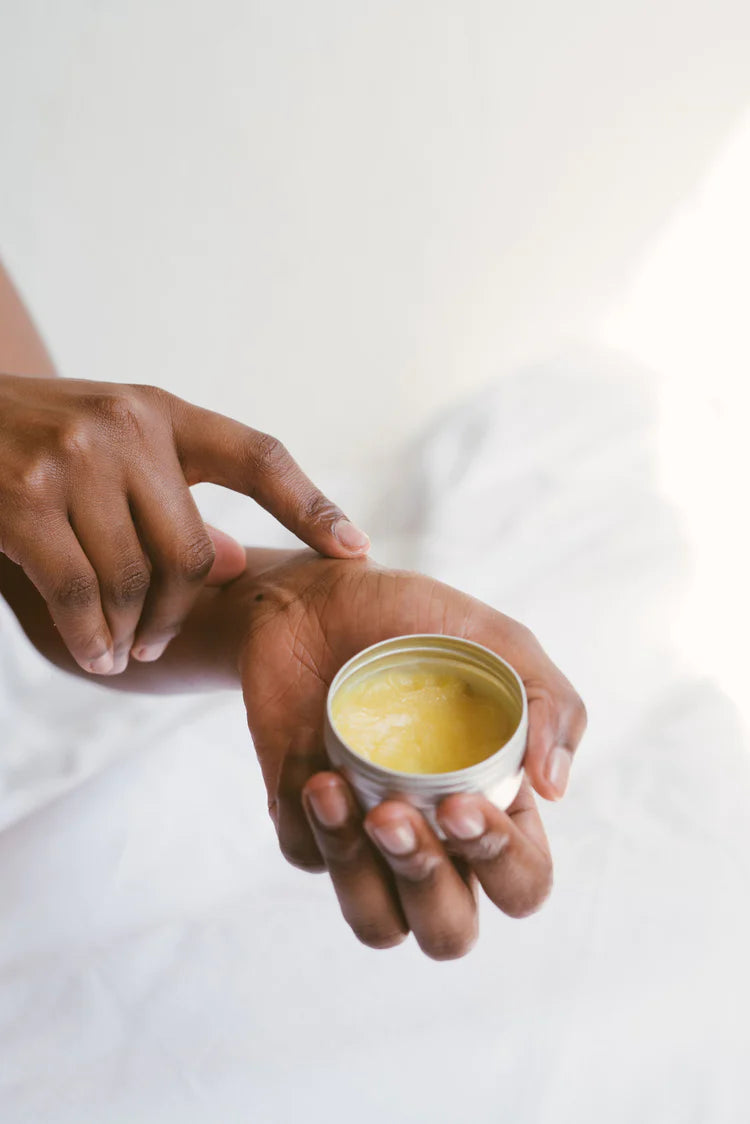
Creams
They are primarily effective in treating muscle-originated pain because they can cause increased blood flow and reduce muscle cramps.
Cold and heat treatments
Cooling can help when the complaint appears because it blocks the sensation of pain, helps relieve cramps, and reduces swelling.
In cases of pain lasting several days, but especially chronic pain, heat treatment can bring results. It causes increased blood flow and thus relieves tension, cramps, and pain.

Blockade administered near the spine
This is a symptomatic treatment during which the patient receives a fast-acting, usually steroid injection near the spine. It is generally used for overstrain or pinching of the small joints.
It does not eliminate the cause, so it only has a lasting effect when combined with other treatments, exercise, and lifestyle changes.

Drug treatment
Medication can be obtained in the form of tablets, injections, or infusions.
If taking over-the-counter nonsteroidal anti-inflammatory drugs does not bring results within 3 days, be sure to consult a doctor.
A doctor may prescribe anti-inflammatory medication or recommend injection or infusion treatment. These also have anti-inflammatory and pain-relieving effects.