
Physiotherapy: a pleasant and beneficial form of exercise
Even in ancient times, the beneficial effects of regular exercise on the body were recognized. Various ancient cultures each created their own system of exercise and forms of movement. Physiotherapy is a further development of these, working out special movements and exercises based on scientific, anatomical principles. Since the beginning,
several techniques have become accepted within physiotherapy, specializing in different types of problems, but the basic principle remains the same.

Why is exercise important in everyday life?
In our fast-paced world, unfortunately, we don't have the time or energy to pay attention to our bodies, and we don't move enough. We hunch over at the desk, have to lift heavy objects, and carry heavy bags all day. This can quickly lead to problems; for example, back and neck pain, which makes our daily tasks more difficult. It poses an obstacle in our work and also in spending our free time.
In what situations is it recommended to consult a physiotherapist?
The tasks of a physiotherapist include prevention (prophylaxis) and rehabilitation. Prevention means avoiding diseases and problems, preventing or delaying their development. This can be important, for example, in the case of a developing herniated disc, where with proper therapy the process can be reversed, and surgery can be prevented. Rehabilitation involves caring for already developed diseases, preventing their deterioration, and improving the condition. For example, after surgeries, gradually built-up exercise therapy helps a lot in standing on your feet as soon as possible and returning to everyday life.
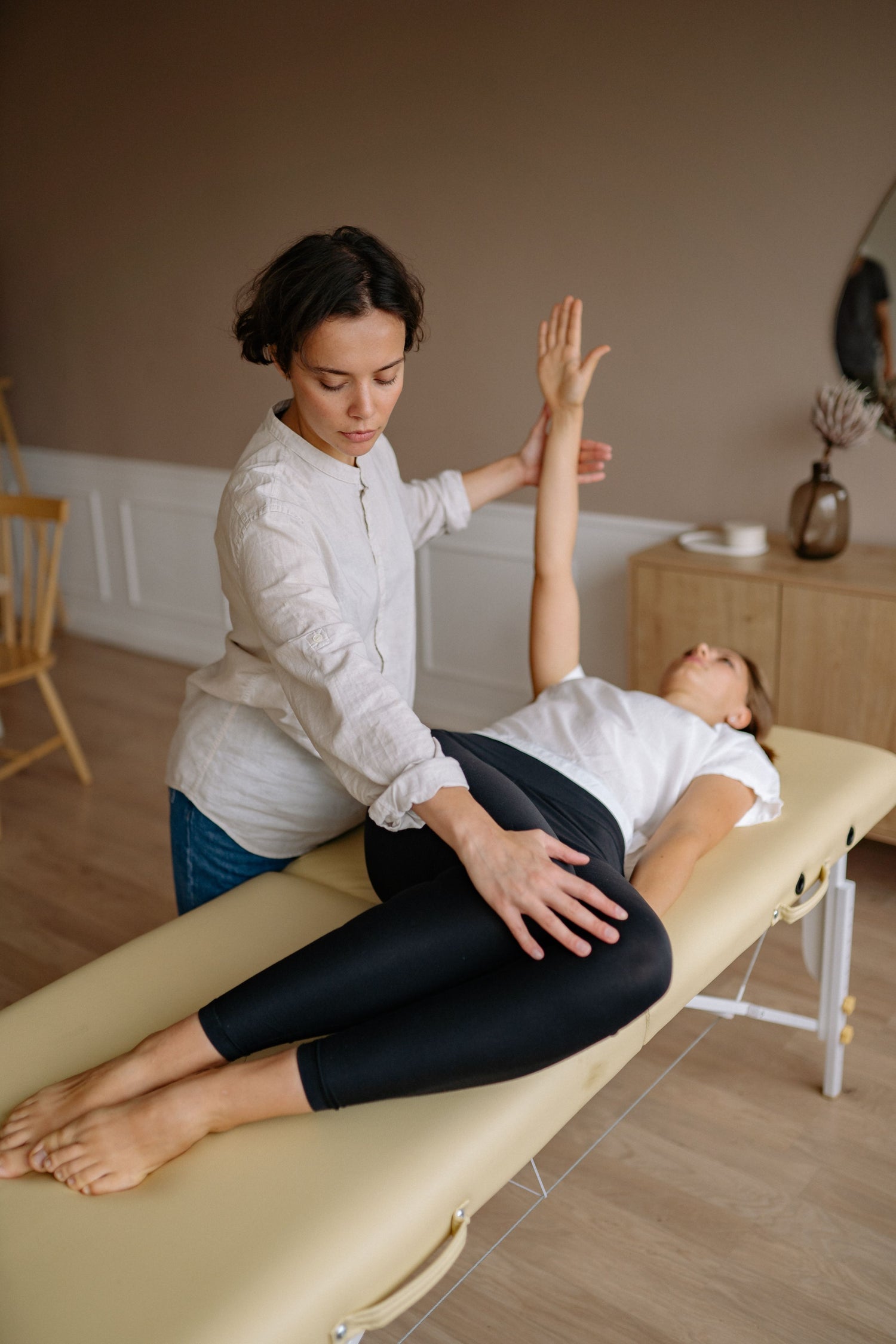
Do you have pain in your lower back or back?
The main support system of our body is the skeleton, one of the most important parts of which is the spine. The spine is the primary stabilizing element of the human body. If a problem or pain appears in this area, it negatively affects the stabilizing function of the spine. Movement becomes painful and difficult, muscle cramps and painful knots may develop in our back. Sometimes this pain can radiate towards our leg or into our lower back. Because of this, it becomes difficult to perform everyday tasks, bending down or straightening up is painful, and we cannot lift heavy objects. The problem is usually caused by so-called degenerative spinal diseases. This group includes, among others, herniated disc and various wear-and-tear diseases of the spine. If we experience such complaints or pain, it is advisable to consult a specialist as soon as possible to help stop the deterioration of our condition or to reverse the process.
Why choose physiotherapy?
Physiotherapy is a form of exercise developed to solve this problem. Its goal is the long-term elimination of pain and movement restrictions through active, movement-based elements. The physiotherapist customizes the treatment for the patient, sets therapeutic goals, and continuously monitors the degree of improvement. Meanwhile, the therapist always keeps the patient's needs and current condition in mind. The exercise routines are characterized by variety and creativity. Various tools can be used during therapy, such as elastic bands, balls of different sizes, small dumbbells, cushions, or a wall ladder.
The goal of physiotherapy
The goal of physiotherapy is to improve developing or already existing poor conditions, or to prevent them, through active movement and muscle work.
The treatment is always preceded by a condition assessment. The patient describes their problems; the location of pain or movement limitation. It is very important to know how long these complaints have been present. Following this, the physiotherapist examines the patient and uncovers the real cause of the problems. Together, they build the treatment plan, define the goals to be achieved, the planned duration of the treatment, and its frequency. Ideally, 3 sessions per week, each lasting 45-60 minutes, are recommended, but this largely depends on the patient's health condition, endurance, other commitments, and schedule.
I recommend maintaining our body's health with regular exercise and physical activity, even when symptom-free, possibly with the help of a physiotherapist. However, if pain or illness occurs, I definitely consider it necessary to consult a specialist and carry out a personalized therapy.
author: Rita Pelikán, physiotherapist