
The Beneficial Effects of Yoga
Yoga is becoming increasingly popular worldwide. Yoga centers promise calmness and peace to the troubled soul, and healing, refreshment, and rejuvenation to the sick body. Yogis claim that a person's age can be determined by the condition of their spine. A strong, flexible spine is a symbol of youth and health.
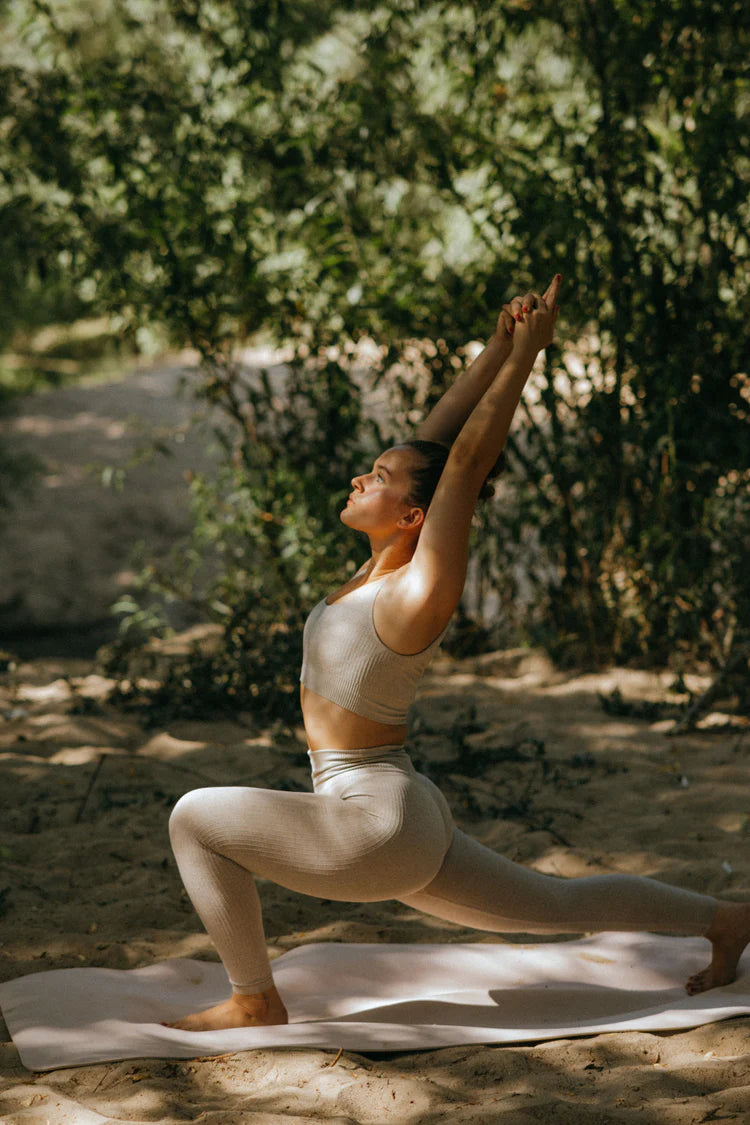
What does a painful, stiff, inflexible spine indicate? When looking for the causes of spinal complaints, such as lumbago - beyond the obvious genetic predispositions - it is impossible not to notice the effects of our modern age: Incorrect posture and years, even decades, of slouched sitting can be listed among the causes. Added to this are psychological and emotional reasons, too much stress, which induces muscle spasms and makes our entire skeletal system stiff. Yoga can provide a solution both in developing correct posture and in relieving stress, thus it can significantly reduce the stiffness that burdens the skeletal system.

The origin of yoga
Yoga is the legacy of the ancient Indian civilization. Ancient yoga is a unified teaching, but over time different yoga schools and prominent teachers arranged its principles into distinctive systems, thus various yoga systems emerged. In the West, hatha yoga has become the most widespread, but the elements of all yoga systems are fundamentally the following:
- yoga poses (asanas),
- breathing exercises (pranayama),
- meditation and mantras.
Originally, every branch of yoga is spiritual, and their original goal is to gradually lead practitioners towards spiritual purification through the practice of its elements, in such a way that by practicing yoga poses and yogic breathing the yogi becomes as perfectly master of their body and breath as possible, and thus can reach a level of meditation that is unimaginable without these. Therefore, yoga is not a religion, it is not tied to any religious organization, originally it is rather a method, a tradition on the path to enlightenment. However, Western yoga centers typically abandon this spiritual approach and focus only on the practical, physiological benefits of the three elements.
Yoga Poses (Asanas)
Practicing held yoga poses gifts the practitioner with vitality and flexibility.
They help release tension accumulated in the body and mind. The asanas are more than simple gymnastic exercises. They are based on continuous, sustained stretching, tension, and bending of the muscles and skeletal system, not on muscular effort and rhythmic work (like dynamic sports).
Breathing exercises (Pranayama)
Although breathing is an automatic process similar to the heartbeat, breathing can also be consciously controlled. Pranayama supplies the lungs with fresh oxygen, and through them to the cells. It helps prevent certain respiratory problems, stimulates brain function, concentration, calms the nervous system, and has a beneficial effect on blood pressure as well.
Meditation and mantras
The process begins by adopting a seated position (asana) in which we can comfortably spend an extended period of time. Then we regulate our breathing according to what we have learned. Finally, the meditation itself comes, which is an active mental activity, and is not the same as a passive, sleep-like state. Yogis meditated on spiritual topics, aiming to free themselves from constraints and establish a connection with God. Even if we do not contemplate such elevated topics, meditation can still be attractive to us because it has a beneficial effect on our health. Practitioners report that even in the short term they have become noticeably more balanced and calmer.
Yoga with lumbago
It is important that if we are struggling with lumbago, we always discuss this with our yoga instructor, as every case is unique, so it may happen that certain exercises are not recommended, while others are suggested in order to alleviate our symptoms.