
The development of a herniated disc is a long process
When the symptoms of a herniated disc appear, most of us stand in shock, and of course we think we know what caused it: we lifted a heavy piece of furniture, took the spare battery out of the car trunk, bent down to tie our shoes, or fell while playing football. We immediately think of the "accident" after which the pain, numbness, and other unpleasant symptoms came. However, in most cases, the reality is that this was just the last drop in the glass.
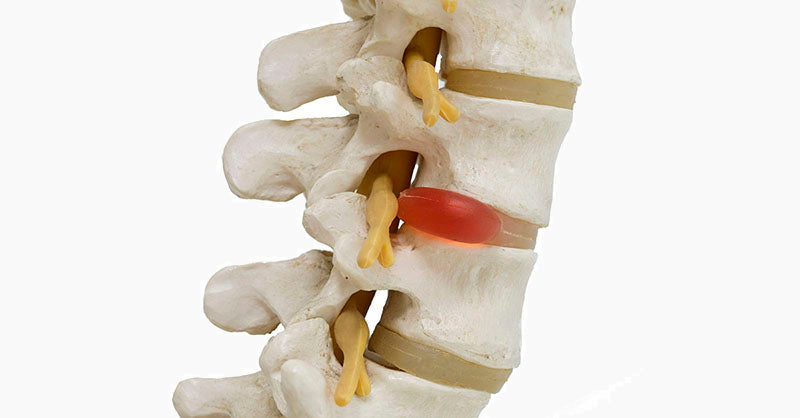
Our intervertebral discs' herniation is the result of a long - most often several decades-long - process. We reach the point of degeneration of the disc to such an extent through performing our regular daily activities in a way that is not spine-friendly, where finally symptoms also appear. Unfortunately, these movements and sequences of movements become our habits, part of our everyday life
and unnoticeably damage the discs that ensure the flexibility of our spine. Some typical examples, without claiming to be exhaustive:
- Slouched sitting while eating, at school, in the car, at work
- Bending over a low kitchen counter while cooking
- Lifting and carrying heavy objects with a bent back
- Washing while leaning over the sink or bathtub
- Driving with a slouched posture in the car seat
- Bending down repeatedly to a small child
This many small, bad loads - performed regularly, several times a day over years - cause initially small but gradually accumulating injuries in the onion-layer-like tissues of the disc, until finally the last impact, which we think of as the triggering cause - like the last drop in the glass - gives the final push, and the symptoms of herniated disc unmistakably appear.
However, this process can be stopped if we prioritize prevention. Pay attention to our car seat, use aids to prevent slouching. Be mindful of how we lift and how we perform household chores.