
Spine and Sports
Regular exercise can help prevent the development of spinal diseases, and knowing our own body and its limits can be extremely important during recovery from a spinal disease. With strong but flexible muscles and good fitness, we can also provide protection for our spine, but it matters what and how we do it.
Back-friendly exercise
If we have or had back problems, then:
- preferably avoid those types of movements that involve twisting of the torso and unilateral movements (e.g., tennis and certain types of combat sports can also pose a risk to the spine).
- If we do engage in such sports, pay special attention to strengthening the core muscles,
- and ensuring equal load on both sides.
While it used to be said that one should not exercise with back problems, today experts clearly agree that movement is very important for reducing inflammation and maintaining range of motion. In case of existing back problems, seek the help of a physiotherapist, who will assist recovery with personalized exercises. If we do not have back problems or are symptom-free, we can choose from many types of exercise.
Always pay attention to:
- gradual progression, as well as
- warm-up and
- stretching.
If you attend guided training, discuss your back problems with the coach or instructor and ask for their advice. We recommend special training of the core muscles for everyone, because the development of both back and abdominal muscles is important if we want to protect our spine and avoid the development of herniated discs and recurrence of symptoms.
Briefly about some types of exercise:
Swimming
Doctors generally recommend this automatically. It really mobilizes the body well and has a good effect on the spine, but primarily backstroke, then freestyle. Breaststroke with the head held out continuously can cause neck pain.
Walking, Nordic walking
For those who find running too intense, feel free to start walking or hiking. A brisk walk with strong arm movements keeps both the body and mind in good shape.
Ball sports
Most of them load the body asymmetrically, so it is important to emphasize training and loading the other side of the body.
Horse riding
Encourages upright posture, also trains the back muscles well. Recommended sport!
Running
You can safely run on grass or any softer surface, with proper shoes and rolling foot technique during symptom-free periods. Avoid concrete and asphalt!
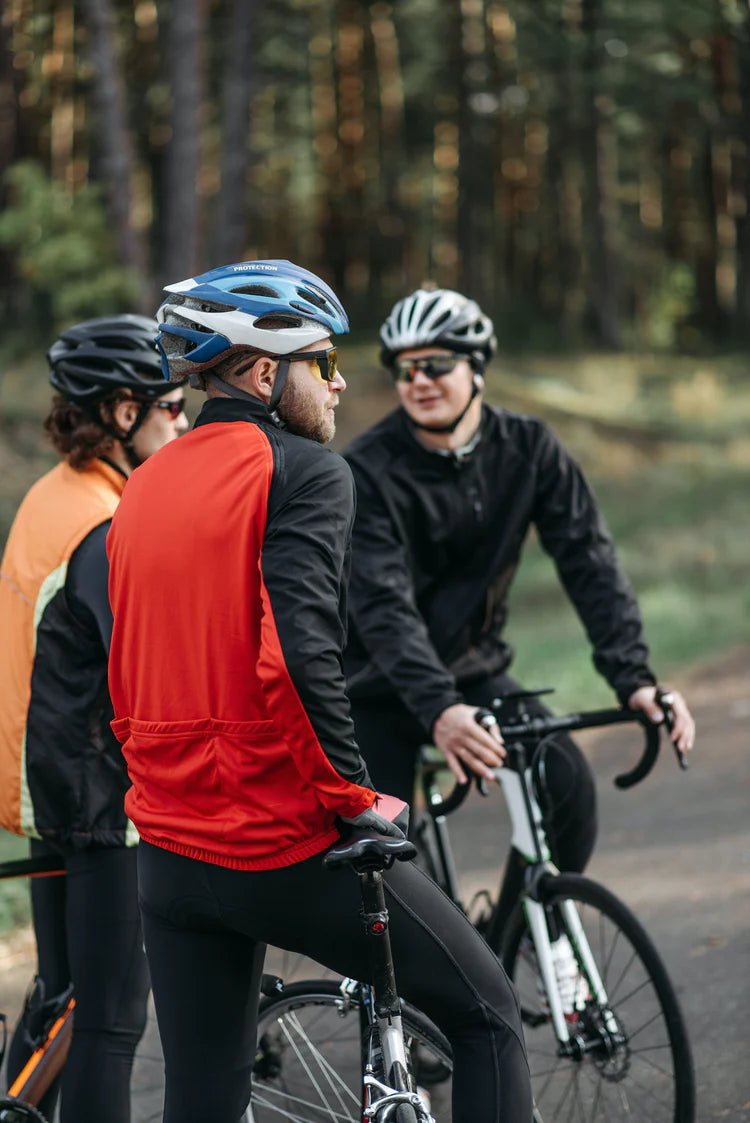
Cycling
Avoid using racing bikes, and everyone should pay attention to the proper adjustment of the bicycle. Because you can also slouch while sitting on the bike! Adjust the seat and handlebar height and distance so that you can sit with a straight torso, lowered shoulders, and lifted chest!
Rowing sports
Due to the one-sidedness of canoeing, it is not really good for the spine, but kayaking also involves a lot of torso rotation, which can cause wear on the joint surfaces.